Christophe PicouFounder of VEIA.AI, AI advisory firmSupport · Diagnostic · Strategic audit
Understand your organisation.Decide the place of AI.
I support organisations in their AI-related choices, from understanding what is at stake and assessing where they stand to setting priorities and framing projects. I help their leaders turn a complex subject into concrete, workable decisions.
I connect what the technology makes possible to what the organisation chooses to do with it.
Let's talk about your situation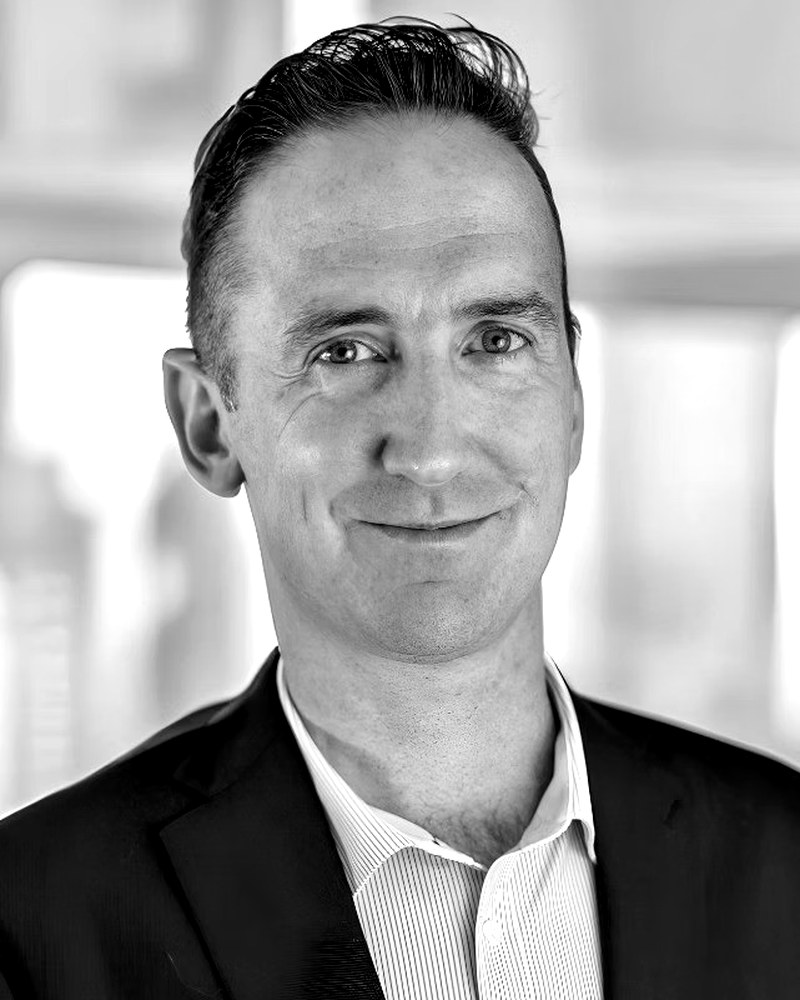
The situations that lead you to reach out
- You are looking for where artificial intelligence can serve your organisation, and where to start.
- Uses have taken hold in the teams before any leadership decision, and you want to regain control.
- A project, an investment or a vendor proposal is awaiting a decision.
- Your leadership wants a shared position before moving forward.
In every case, the starting point is the same: your organisation, its business, what makes its value, what it seeks to improve and what it wants to preserve.Le travail commence par le initial strategic diagnostic.
How I work
The advisory starts with a first exchange, then with a first mission: the initial strategic diagnostic. The next steps are decided from it.
The first exchange
A free first exchange allows me to understand your request and to check that I can address it. The analysis of your situation begins with the mission. Its scope, deliverable, timeline and price are set before starting.
First mission: initial strategic diagnostic
The diagnostic begins by listening to and understanding your organisation: its business, how it operates, what makes it distinctive and what it wishes to preserve or evolve. Depending on the question, I then examine the existing AI uses, projects, ongoing commitments or a vendor proposal. I rely on relevant documents, exchanges with the people involved and, when the situation calls for it, time on the ground.
This first advisory mission is paid. You receive a strategic mapping of your situation, the priority decisions and a proposal for next steps. The diagnostic has its own value, whether or not you continue.
Next steps
From the diagnostic, the leadership chooses the useful next steps: a leadership session, a strategic audit of a project or a vendor proposal, or ongoing support. Each mission is the subject of its own scope and agreement. The arbitrations of a leadership session are recorded in a written statement that indicates who owns each decision, what must be verified and the review dates.
Understand before delegating. Decide before integrating.Christophe Picou, 'What we do not understand decides in our place', 2026
Where this way of working comes from
For twenty years, my experience has been built at the crossroads of information systems and organisations; artificial intelligence is today its extension. To understand an organisation, I enter its reality: I listen to its leaders and its teams, I observe the work, the trades and the ways of deciding. This immersion allows me to grasp what founds its singularity, what it stands for, what it seeks to preserve and the perspectives it can open. From it I draw a strategic reading that connects its identity, its vision and its choices of evolution. Today, I apply this experience to AI-related decisions: determining the place it can take in the organisation, what the organisation chooses to entrust to it and the responsibilities it intends to keep.
Public speaking
- Keynote before business leaders
- Session before a leadership committee or a board
- Panel discussion
- Understanding session for a leadership approaching the subject
My interventions make AI issues understandable and connect them to the concrete questions of organisations. A public appearance is a mission defined in its own right. It may lead to the initial strategic diagnostic.
Arrange a speaking engagement · Publications et prises de parole
Frequently asked questions
By what does the engagement start?
Par le initial strategic diagnostic. It allows me to understand the organisation, its AI uses, its projects and its commitments, to establish the strategic mapping of the situation and to identify the priority decisions. The next steps — leadership session, strategic audit of a project or ongoing support — are decided from this diagnostic and are the subject of a separate agreement.
What does a strategic advisor in artificial intelligence do?
They help a leadership decide the place of AI in its organisation. They understand what is happening on the ground, establish what is already committed, present the options and run the session where the leadership decides. The teams and specialists then carry out the work within the decided framework.
What kinds of AI-related decisions can you support?
Decisions that commit the organisation: setting the stakes and priorities at a leadership session, framing a project before launching it, deciding on the next steps for a pilot project or a POC, regaining control over uses already installed in the teams — what is called shadow AI — or preparing a board meeting. When leadership wants a regular external view, the engagement continues over time as an independent advisor, sometimes called an external CAIO.
In what cases is this engagement useful?
When a decision commits the organisation: a project or an investment, several vendors to arbitrate between, uses that are multiplying without a framework, a board asking for a position. To get to grips with a tool day to day, training is often enough.
How far does the analysis go?
It focuses on decisions. Questions of data, security, compliance or architecture are identified as conditions of those decisions; their expertise belongs to your teams, your providers or the specialists you mandate.
When should you call on AI advisory?
Before a commitment: a project, an investment, a vendor proposal. Also when uses have taken hold in the teams without a leadership decision. The earlier the decision is taken, the freer it remains.
Does the engagement suit an SME or a small business?
Yes. The way of working is the same from a small business to a large group. The scope, interlocutors and duration adapt to the organisation.
Do you need technical skills to decide on AI?
A leadership needs to know what the tool actually does, what data enters it, where error is tolerable, who remains accountable and how the organisation exits if it decides to. These questions are within reach of any leadership committee.
Is the advisory independent of vendors and integrators?
Yes. VEIA.AI is independent of vendors and integrators. The options are presented in the interest of the organisation.
What forms do the public appearances take?
Keynote before business leaders, session before a leadership committee or a board, panel discussion, and understanding session for a leadership approaching the subject.
How is pricing set?
Chaque mission, à commencer par le initial strategic diagnostic, is the subject of a fixed-price proposal, established after the first exchange, according to the scope and the decision to prepare. I am paid only by the organisation that mandates me, never by a vendor or an integrator.
Where does Christophe Picou intervene?
Christophe Picou is based in Colmar and works in France and Switzerland, on site, alongside the leadership and the teams.
What is meant by shadow AI?
Shadow AI refers to uses of AI that have taken hold in the teams without any framework or explicit leadership decision. My role is to understand what these uses reveal, to shed light on the dependencies and responsibilities involved, and then help the leadership decide the framework it wishes to set.
Let's talk about your situation.
You lead a small business, an SME, a mid-sized company or a large group, in France or Switzerland. You want to shed light on an AI-related question, prepare a decision or arrange an intervention. A first exchange allows me to understand your request and to check that I can address it.